

Engineering guidance. Examples and proposed workflows are illustrative.
Draw the furnace and gas loop together
MIDREX describes a countercurrent shaft in which iron-bearing material descends against hot reducing gas, principally hydrogen and carbon monoxide, with gas recycling integrated into the process. A useful investigation therefore follows both the material route and the gas route. Build the first screen around the actual plant flowsheet, showing feed, discharge, gas preparation, recycle, and the measurements available at each boundary; keep plant-specific connections explicit.
Give every gas value a measurement basis
Record the analyzer location, reported species, concentration unit, and whether results refer to a wet or dry sample. Ask instrument engineers to document sampling-system delay and analyzer validity before joining composition with a furnace event. MIDREX's reformer-management discussion includes gas ratios and tube-temperature observations; treat these as related evidence with distinct measurement origins. A ratio is useful only when its components and calculation basis remain available to the reviewer.
Make flow and temperature comparisons defensible
For each flow signal, preserve its engineering unit, reference conditions where applicable, and the distinction between measured and calculated values. Put furnace-inlet observations beside the relevant gas-preparation and recycle signals rather than assuming that one temperature represents the whole loop. During a review, expose missing measurements and instrument interventions on the same timeline. This helps engineers test whether an apparent change belongs to the process, the measurement chain, or a change in the calculation itself.
Connect product quality to the right material
Retain feed-lot identity, available pellet characteristics, discharge observations, and the sample collection time for product tests such as metallization and carbon. The laboratory reporting time belongs in a separate field. Residence-time assumptions should be documented and reviewed for the operating condition, with uncertainty visible when material cannot be tracked exactly. Otherwise, a later result can appear to validate the wrong gas condition and teach an analytical model a misleading relationship.
Keep operating modes and design variants visible
Label stable operation, transitions, outages, and instrument maintenance before comparing historical windows. MIDREX also discusses electrical process-gas heating for hydrogen-based configurations, illustrating why a gas-heating model must follow the selected process design. Define which inputs and equipment belong to the site's configuration, then version that definition. A model trained on one operating envelope needs a fresh engineering review when the gas source, heating arrangement, or material specification changes.
Use a replay that can be challenged
An illustrative review might follow a feed-lot change, show the contemporaneous gas observations, and place subsequent product samples against a documented material-delay window. Display the raw observations, derived variables, excluded periods, and competing explanations together. Validate on a later operating period and compare with a simple baseline before using the result in a shift workflow. The deliverable is a reproducible engineering argument, with enough context for a process engineer to accept or reject it.
Technical references
Continue exploring
Steel and DRI
What goes into a DRI shaft-furnace twin?
Start with the process boundary, then make time, data provenance, and validation visible.
Read article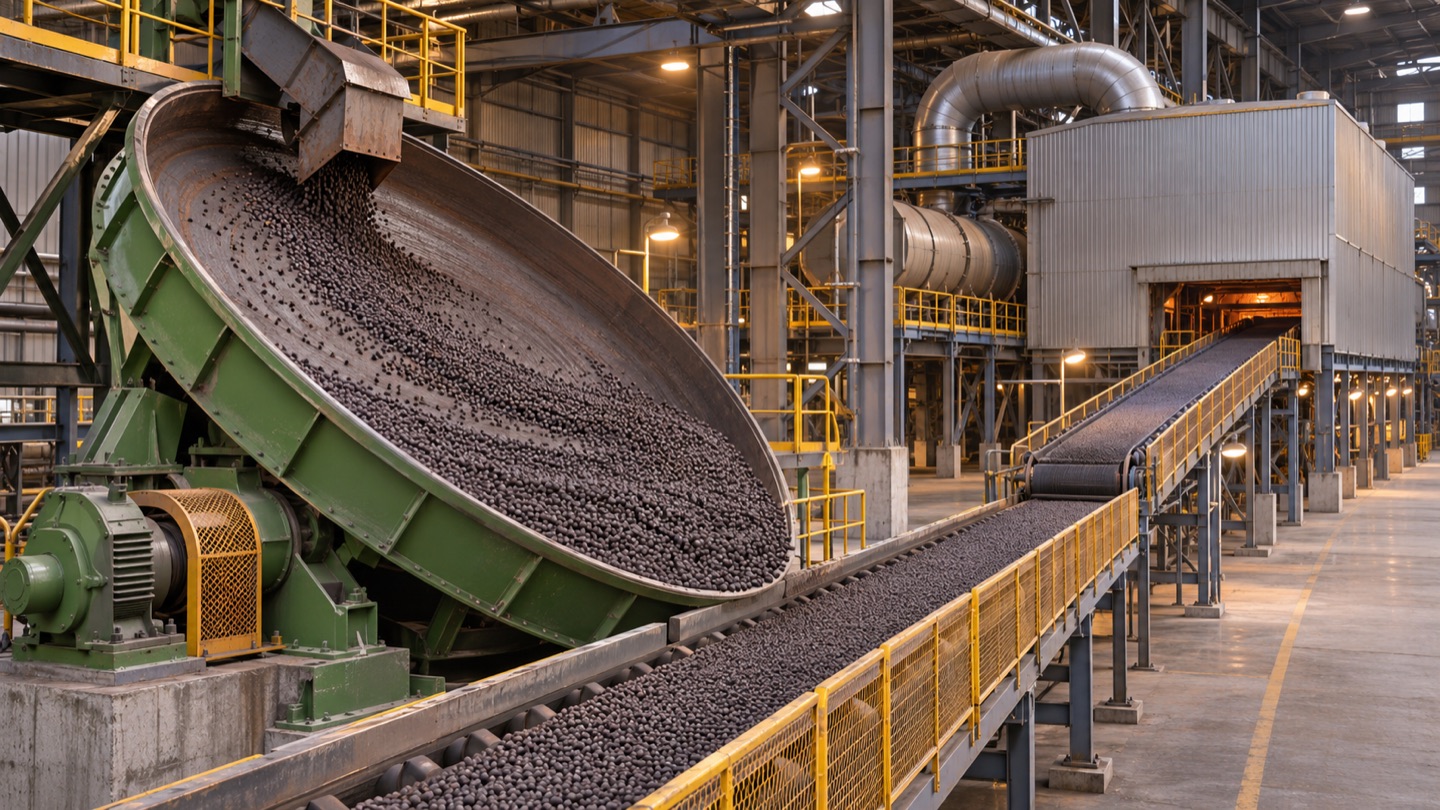
Steel and DRI
Pelletizing data that connects feed quality to furnace performance
Follow a material cohort through mixing, balling, induration, and cooling to investigate product quality and energy use on a consistent basis.
Read article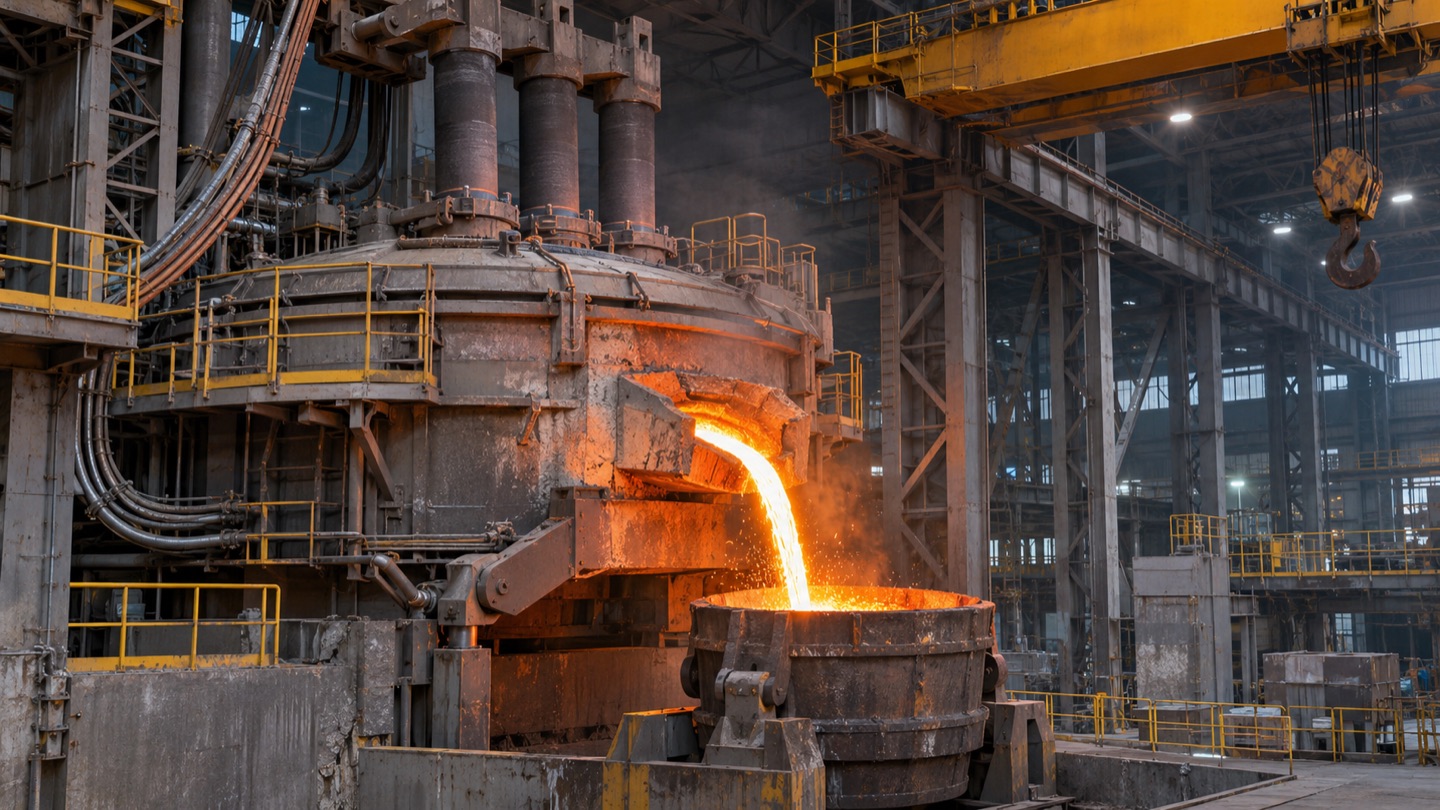
Steel and DRI
From charge basket to certified product: a traceable steel heat
Connect charge materials, heat events, laboratory results, and product identity so steelmaking reviews can follow the evidence across production stages.
Read article